Lingbang footprints 2025 · Chengdu | When Vision Agent meets embodied intelligence
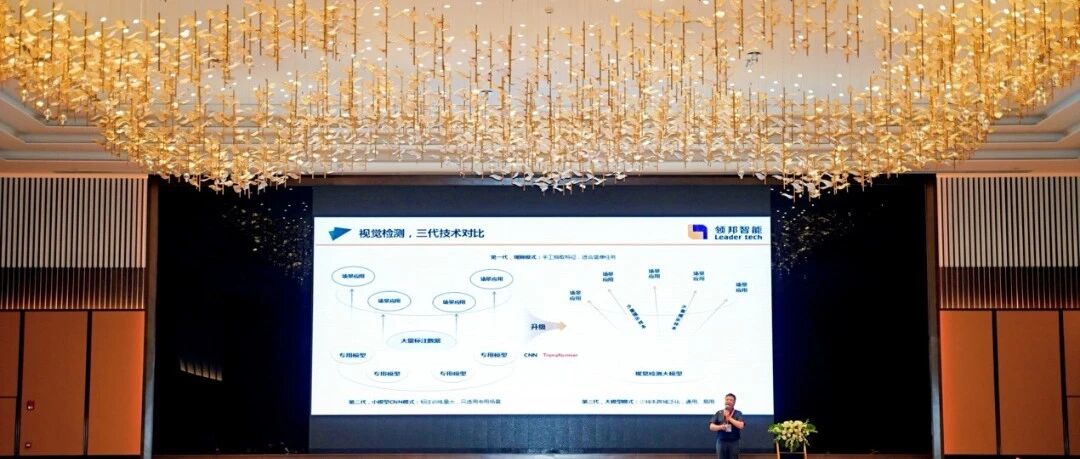
Empower industrial upgrade; see the next ecology. 2025 Lingbang footprints — Chengdu. Date: 8 August 2025. Event: the 3rd Chengdu Seminar on Machine Vision Technology and Industrial Applications.

From a breakthrough road in Shenzhen to technical work in Beijing, the “See the future · 2025 Lingbang footprints” series reached a growth region of Chinese manufacturing: the west. Here the question returns to practice: how does a strong Vision Agent actually lift an industry?
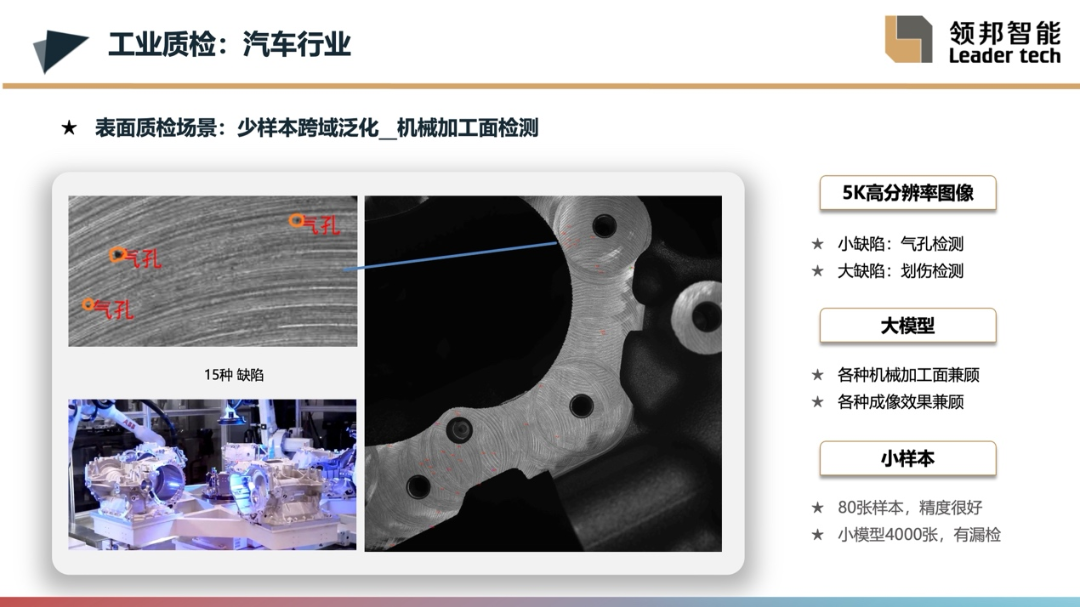
The seminar theme was “Vision + AI + embodied intelligence for industrial upgrade.” Lingbang, an early mover, showed mature cases in automotive die-casting and appliance manufacturing, received 80+ interested visitors, and reached deeper cooperation intent with several leading western manufacturers.
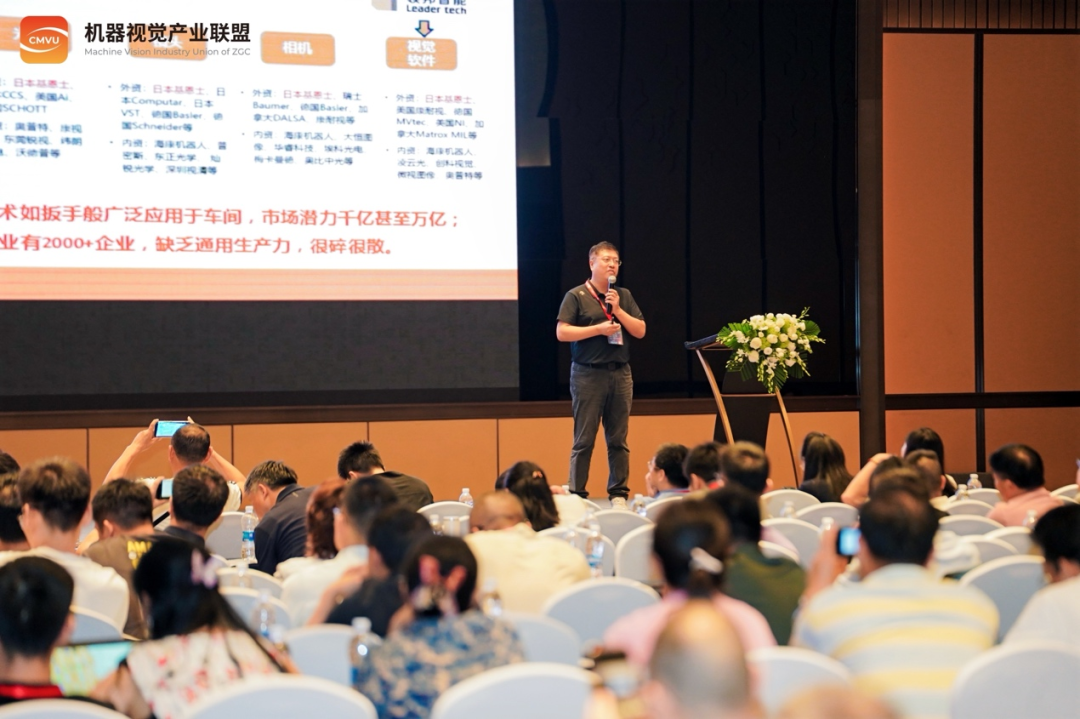
Chairman Cui Zhongwei closed the talks: “Lingbang’s Vision Agent is embodied intelligence at its best on an industrial scene.” It is not an algorithm that lives only in the cloud. It is a physical unit with visual sensing, AI decisions and multi-channel actuation. It sees, thinks and acts—an intelligent station rooted on the line, a practical, good-value path for digital transformation in the west.
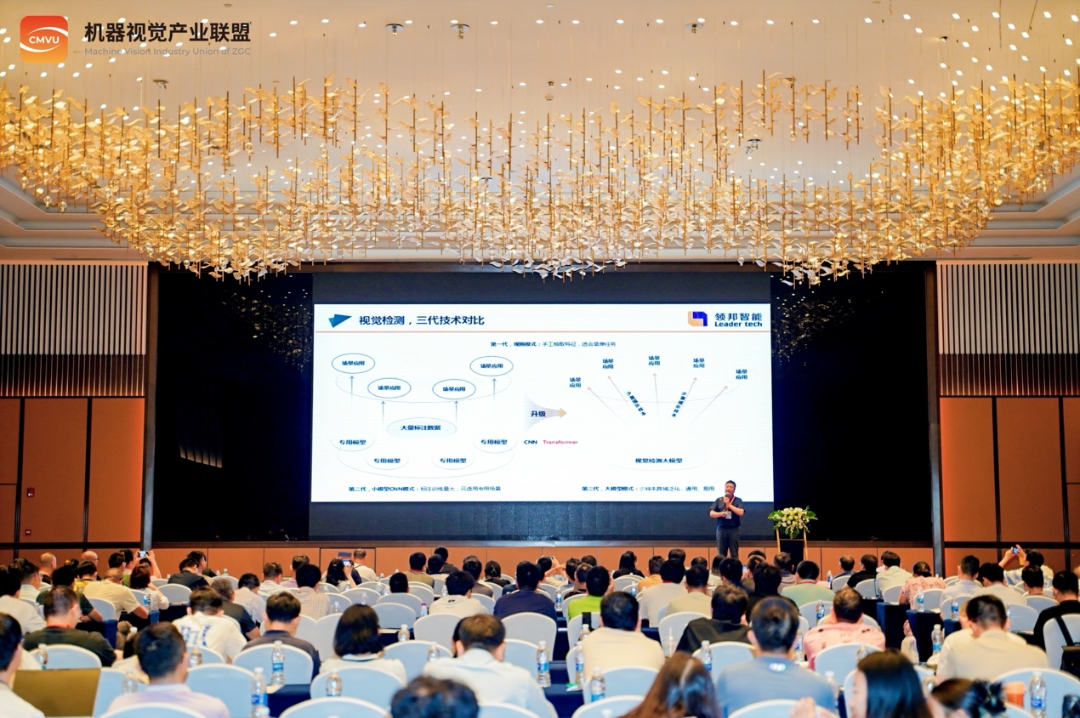
In Chengdu we saw not only technology landing, but the outline of a new industrial ecology. General productivity tools such as the Vision Agent lower the bar for intelligence, so more firms can use advanced technology.
Selected Q&A
Q1: Why is a Vision Agent the best form of embodied intelligence?
A: Embodied intelligence means the agent has a body and can sense and act in the real world. Ours fits that definition: eyes (many cameras), a brain (the vision foundation model), and hands and feet (lights, actuators, motor interfaces). It watches the line like a person and can reject or alarm directly. It is a bridge between the digital and the physical.
Q2: Is this friendly to smaller manufacturers in the west? Is the bar high?
A: It is especially friendly to SMEs. First, few-shot learning means you do not need a large AI team to collect and label huge datasets. Second, the all-in-one design simplifies deployment and avoids heavy system integration. Third, one unit can cover many inspection tasks, which protects the investment. It exists to solve “dare not transform, do not know how.”
Q3: How do you see the future shape of industrial vision?
A: The market will move from one-off custom projects toward general visual agents. Hardware becomes a reusable asset; software becomes a platform that process staff can configure. Firms that can copy a line in days, not months, will set the pace—in the west and nationwide.
Next stop
Chengdu showed the potential of a Vision Agent on the factory floor. That is only the start. Next we return to Shenzhen, from theory to market use: how Lingbang’s Vision Agent becomes a standard product, with customer cases. Watch for the special “See the future · 2025 Lingbang footprints” piece: from lab to line — productizing the Vision Agent.